
Transforming Ordinary Gatherings into Unforgettable Experiences: The Art of Event Planning
When it comes to bringing people together, event planning is more than just booking a venue and sending out invitations; it’s about crafting memorable experiences that resonate with attendees long after the final toast has been made. Whether you’re orchestrating a lavish wedding, a corporate retreat, or a simple birthday bash, understanding the nuances of event planning can turn the ordinary into the extraordinary.
In today’s fast-paced world, event planners wear many hats. They are logistical wizards, creative geniuses, and budget-savvy negotiators, all rolled into one. This multifaceted role requires a delicate balance of skills and an innate understanding of human psychology. After all, every event aims to evoke emotions—joy, nostalgia, excitement, or even motivation—and it’s the planner’s job to ensure that these feelings are successfully stirred.
**1. Understanding Your Audience**
One of the first steps in effective event planning is identifying your audience. Who will attend? What are their interests and expectations? Knowing your audience not only influences the theme and decor but also guides the choice of speakers, entertainment, and even food. For instance, a corporate event may prioritize professionalism, while a birthday party might lean toward playful and whimsical elements. Understanding the demographics, preferences, and needs of your guests can greatly impact the overall experience.
**2. Setting a Budget**
While dreaming big is part of the fun, reality checks often come in the form of budget constraints. Learning to navigate the world of event budgeting can make or break your planning experience. Consider prioritizing key elements—like venue, catering, and entertainment—while exploring creative solutions for the rest. DIY decor can add a personal touch, and leveraging local vendors can help keep costs manageable. Remember, a tight budget doesn’t mean sacrificing quality; it simply requires more innovative thinking.
**3. Venue Selection: The Heart of Your Event**
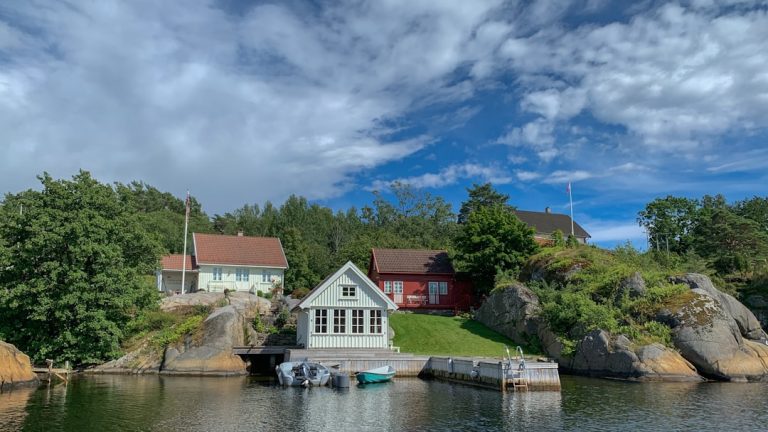
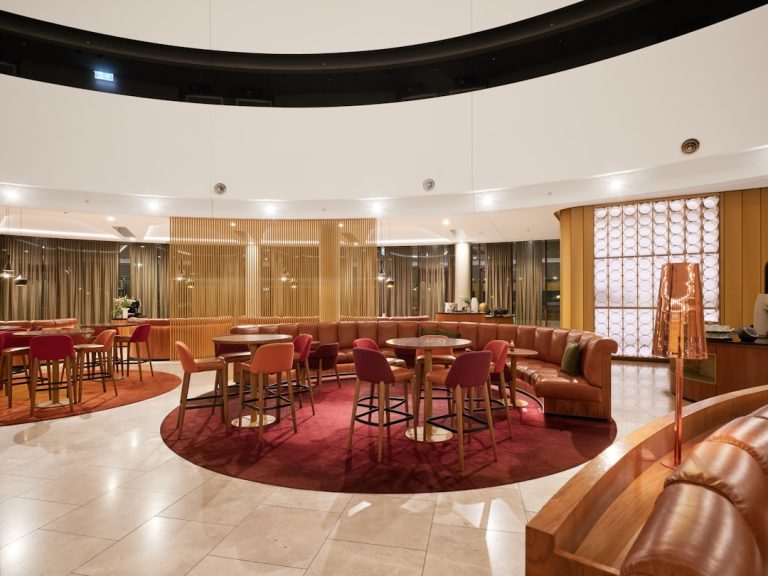
Choosing the right venue can set the tone for your entire event. It’s essential to find a space that not only fits your theme but also accommodates your guest list comfortably. Look for venues that offer flexibility, allowing you to tailor the space according to your vision. Whether it’s an elegant ballroom or a rustic outdoor setting, the right venue will create an atmosphere that enhances the event’s purpose.
**4. Eco-Friendly Considerations**
As we become increasingly aware of our environmental footprint, many event planners are adopting eco-friendly practices. This could mean sourcing local produce for catering, using sustainable materials for decor, or minimizing waste through digital invitations and programs. By integrating these practices, you can appeal to environmentally conscious attendees while contributing to a greater cause.
**5. Crafting an Experience: The Details Matter**
The magic of an event often lies in the details. Every element—from the invitations to the favors—should be carefully curated to create a cohesive experience. Consider how the decor, lighting, and music can set the mood. For instance, soft lighting can evoke intimacy, while upbeat music can energize the atmosphere. The little things, like personalized place cards or interactive stations, can elevate the experience and make guests feel valued.
**6. Utilizing Technology**
In this digital age, technology can enhance events in countless ways. Live streaming, event apps, and social media engagement can broaden your reach and engage attendees in real-time. Additionally, using event management software can streamline planning processes, from tracking RSVPs to managing schedules. Embracing technology not only improves efficiency but can also create a more interactive experience for your guests.
**7. Post-Event Follow-Up**
Once the event concludes, the work doesn’t end. Follow-ups are crucial for gathering feedback, which can inform future events. Sending thank-you notes to attendees, vendors, and partners not only expresses gratitude but also strengthens relationships. Consider creating a post-event survey to gather insights on what worked well and what could be improved. This information is invaluable for honing your event planning skills.
In conclusion, effective event planning is a blend of art and science, requiring creativity, organization, and a keen understanding of human nature. With the right approach, any gathering can be transformed into a remarkable experience that leaves a lasting impression. So, whether you’re planning your next corporate retreat or a family reunion, embrace the challenge with enthusiasm and a vision, and watch as your ordinary gathering becomes an unforgettable occasion.